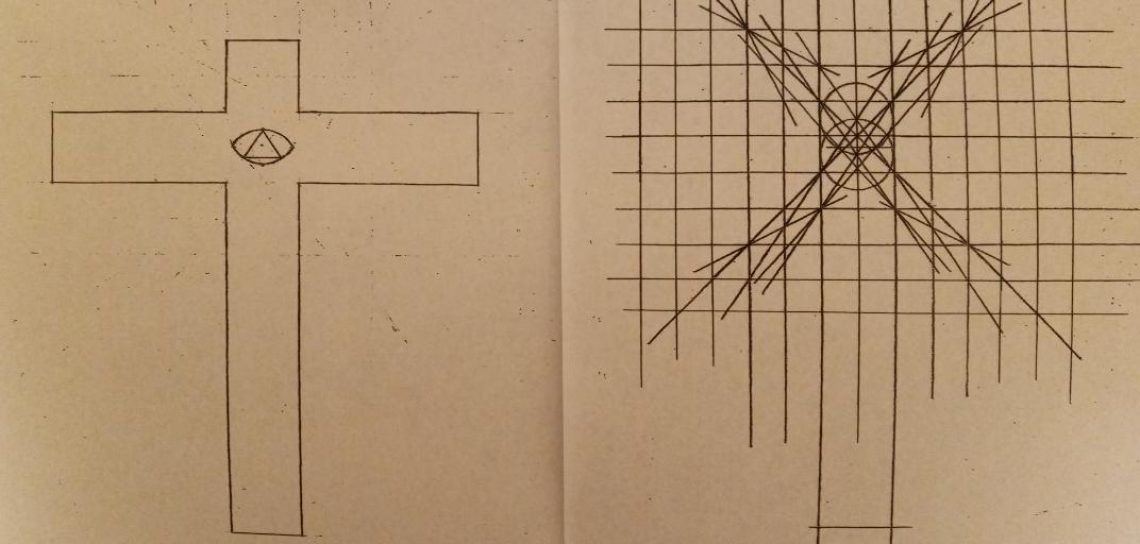

And now He has revealed this grace through the appearing of our Savior, Christ Jesus, who has abolished death and illuminated the way to life and immortality through the gospel, ―2 Timothy 1:10
The gospel of salvation is the grace of God. The way to life and immortality is through the gospel. The apostle Paul received his ministry from Jesus Christ to testify to the gospel of the grace of God:
But I do not account my life of any value nor as precious to myself, if only I may finish my course and the ministry that I received from the Lord Jesus, to testify to the gospel of the grace of God. (Acts 20:24)
Let’s look closer at the gospel of the grace of God:
that has come to you. All over the world this gospel is bearing fruit and growing, just as it has been doing among you since the day you heard it and truly understood the grace of God. (Colossians 1:6)
Let’s go to Titus 2 to truly understand the grace of God:
11 For the grace of God has appeared, bringing salvation to everyone. 12 It instructs us to renounce ungodliness and worldly passions, and to live sensible, upright, and godly lives in the present age, (Titus 2:11-12)
The grace of God teaches us to live soberly, righteously, and godly in the present age as we await the blessed hope, the appearing of our great God and savior Jesus Christ. God’s grace is more than just kindness. God’s grace is the gospel of salvation. In the following scripture, God’s grace and God’s kindness are mentioned in the same sentence:
in order that in the coming ages He might display the surpassing riches of His grace, demonstrated by His kindness to us in Christ Jesus. (Ephesians 2:7)
If God’s grace simply means kindness, then why was Paul given a “stewardship” of God’s grace?
Surely you have heard about the stewardship of God’s grace that was given to me for you, (Ephesians 3:2)
Was Paul given a stewardship of God’s kindness? No, he was given a stewardship of God’s grace, which is demonstrated by his kindness to us in Christ Jesus, and the grace of God that brings salvation teaches us to live soberly, righteously, and godly. Let’s read this scripture:
For it is by grace you have been saved through faith, and this not from yourselves; it is the gift of God, (Ephesians 2:8)
Since we’ve been saved by God’s grace through faith in Jesus Christ, do we stop sinning or is it ok to sin? Are our future sins really forgiven as some claim? Do we just believe and we’re free to do whatever we want? In regard to faith, let’s begin in the book of Romans:
Through Him and on behalf of His name, we received grace and apostleship to call all those among the Gentiles to the obedience that comes from faith. (Romans 1:5)
Obedience comes from faith. Let’s continue:
15 What then? Shall we sin because we are not under the law but under grace? By no means! 16 Don’t you know that when you offer yourselves to someone as obedient slaves, you are slaves of the one you obey—whether you are slaves to sin, which leads to death, or to obedience, which leads to righteousness? (Romans 6:15-16)
We know that obedience comes from faith, and now we know from the previous scriptures that obedience leads to righteousness.
ABRAHAM

Since those of us with faith are children of Abraham, let’s look at Abraham’s obedience:
By faith Abraham, when called to go to a place he would later receive as his inheritance, obeyed and went, without knowing where he was going. (Hebrews 11:8)
3 and told him, ‘Leave your country and your kindred and go to the land I will show you.’ 4 So Abraham left the land of the Chaldeans and settled in Haran. After his father died, God brought him out of that place, into this land where you are now living. (Acts 7:3-4)
What if Abraham refused to go? He would’ve been disobedient. Abraham “obeyed and went.” Let’s look at the following scripture:
What does Scripture say? “Abraham believed God, and it was credited to him as righteousness.” (Romans 4:3)
In this scripture, the apostle Paul says that Abraham “believed” God and it was “credited to him as righteousness.” Let’s keep this scripture in context with verse 5:
However, to the one who does not work but trusts God who justifies the ungodly, their faith is credited as righteousness. (Romans 4:5)
In this scripture, Paul says their “faith” is credited as righteousness. But in verse 3, it says that “believing” is credited as righteousness. So, now we know that “believing” from verse 3 is having faith, and “faith” from verse 5 is believing because they’re both credited as righteousness, and obedience to Jesus Christ comes from faith. So, believing and obeying God is having faith.
God told Abraham he would make his offspring like the stars of heaven, and Abraham believed him even though he and Sarah were very old. Later, God told Abraham to offer Isaac as a burnt offering. What if Abraham had refused? He would’ve been disobedient to God. His work of obedience completed his faith:
21 Was not Abraham our father justified by works when he offered up his son Isaac on the altar? 22 You see that faith was active along with his works, and faith was completed by his works; 23 and the Scripture was fulfilled that says, “Abraham believed God, and it was credited to him as righteousness”—and he was called a friend of God. 24 You see that a person is justified by works and not by faith alone. (James 2:21-24)
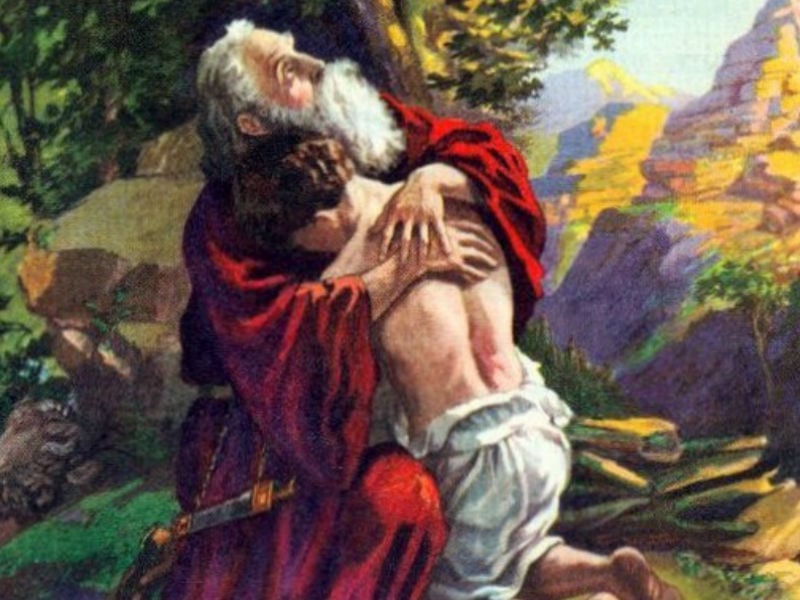
(Hebrews 11:19)
But why was Abraham’s faith credited as righteousness?
20 Yet he did not waver through disbelief in the promise of God, but was strengthened in his faith and gave glory to God, 21 being fully persuaded that God was able to do what He had promised. 22 That is why “it was credited to him as righteousness.” (Romans 4:20-22)
Let’s listen to Jesus Christ:
“Abraham is our father,” they replied. “If you were children of Abraham,” said Jesus, “you would do the works of Abraham. (John 8:39)
The work of Abraham is having faith in God, and obedience comes from faith.
THE OBEDIENCE THAT COMES FROM FAITH
Let’s look at this scripture from the first chapter of Romans again:
Through Him and on behalf of His name, we received grace and apostleship to call all those among the Gentiles to the obedience that comes from faith. (Romans 1:5)
The next scripture is in the last chapter of Romans:
but now revealed and made known through the writings of the prophets by the command of the eternal God, in order to lead all nations to the obedience that comes from faith— (Romans 16:26)
So, from beginning to end, it’s about the obedience that comes from faith. Obedience leads to righteousness, and the righteous will live by faith:
For the gospel reveals the righteousness of God that comes by faith from start to finish, just as it is written: “The righteous will live by faith.” (Romans 1:17; see also 6:20)
38 But My righteous one will live by faith; and if he shrinks back, I will take no pleasure in him.” 39 But we are not of those who shrink back and are destroyed, but of those who have faith and preserve their souls. (Hebrews 10:38-39)
Since obedience leads to righteousness as sin leads to death as Paul says in Romans 6:16, then believing is being obedient because Abraham’s belief was credited to him as righteousness, and obedience leads to righteousness. So, faith is more than just believing. Let’s read this scripture:
I have been crucified with Christ, and I no longer live, but Christ lives in me. The life I live in the body, I live by faith in the Son of God, who loved me and gave Himself up for me. (Galatians 2:20)
The apostle Paul tells the Galatians that the life he lives in the body, he lives by faith in Jesus Christ. Did Paul believe with his body?
But for this very reason I was shown mercy, so that in me, the worst of sinners, Christ Jesus might display His perfect patience as an example to those who would believe in Him for eternal life. (1 Timothy 1:16)
Why would Jesus have to show his “perfect patience” if all we have to do is simply believe? We believe in Jesus, and repentance is believing:
And Paul said, “John baptized with the baptism of repentance, telling the people to believe in the one who was to come after him, that is, Jesus.” (Acts 19:4)
Let’s look at the following scriptures:
18 And to whom did He swear that they would never enter His rest? Was it not to those who disobeyed? 19 So we see that it was because of their unbelief that they were unable to enter. (Hebrews 3:18-19)
From these scriptures, we know that disobedience is unbelief. So, believing is being obedient because obedience comes from faith. Believing is credited as righteousness (Romans 4:3), obedience leads to righteousness (see Romans 6:16), and obedience comes from faith (see Romans 1:5). If believing is being obedient, then unbelief is being disobedient. So, believing is being obedient because obedience comes from faith and obedience leads to righteousness. Unbelief is disobedience, and disobedience leads to unrighteousness. We know from the followings scripture that righteousness leads to holiness:
I am speaking in human terms because of the weakness of your flesh. Just as you used to offer the parts of your body in slavery to impurity and to escalating wickedness, so now offer them in slavery to righteousness leading to holiness. (Romans 6:19)
Here’s the answer: Faith → Obedience → Righteousness→ Holiness. Since this is true, the opposite is true: Unbelief → Disobedience → Unrighteousness→ Unholiness. Let’s read the following scriptures in regard to holiness:
7 For God has not called us for impurity, but in holiness. 8 Therefore whoever disregards this, disregards not man but God, who gives his Holy Spirit to you. (1 Thessalonians 4:7-8)
In Christ, we grow spiritually from infants to maturity.
But just as He who called you is holy, so be holy in all you do, for it is written: “Be holy, because I am holy.” (1 Peter 1:15-16; cf. Leviticus 19)
Let’s look at these scriptures closely:
8 in blazing fire. He will inflict vengeance on those who do not know God and do not obey the gospel of our Lord Jesus. 9 They will suffer the penalty of eternal destruction, separated from the presence of the Lord and the glory of His might, 10 on the day He comes to be glorified in His saints and regarded with wonder by all who have believed, including you who have believed our testimony. (2 Thessalonians 1:8-10)
In these scriptures, we can see that those who “have believed” in verse 10 obey the gospel of our Lord Jesus Christ. We know this because those who “do not obey the gospel of our Lord Jesus” in verse 8 will be punished with everlasting destruction as we read in verse 9. So, believing is being obedient. Let’s listen to the apostle Paul:
I will not presume to speak of anything except what Christ has accomplished through me in leading the Gentiles to obedience by word and deed, (Romans 15:18)
Paul says, “Obedience by word and deed.”
The Righteousness that Comes by Faith
And this righteousness from God comes through faith in Jesus Christ to all who believe. There is no distinction, (Romans 3:22)
Let’s continue in Hebrews:
By faith Noah, when warned about things not yet seen, in godly fear built an ark to save his family. By faith he condemned the world and became heir of the righteousness that comes by faith. (Hebrews 11:7)
Let’s compare the “righteousness” that comes by faith to the following scripture, which we read earlier:
For the gospel reveals the righteousness of God that comes by faith from start to finish, just as it is written: “The righteous will live by faith.” (Romans 1:17)
The righteousness of God comes by faith revealed by the gospel, and let’s not forget that obedience comes from faith and obedience leads to righteousness.
And having been made perfect, He became the source of eternal salvation to all who obey Him (Hebrews 5:9)
CONTEXT
There are 7,958 scriptures in the New Testament. It’s very easy to take scriptures out of context when trying to build with only a few. Building on an unstable foundation like this is destined to fall. We have to read and understand the New Testament in it’s entirety.
One evening I was listening to The Marriage of Figaro. I love Mozart’s music in the first and third acts. In act 2, there’s not much music that I like. At that time, God put it on my heart that even though we may not like some of the music, we have to listen to all the songs to understand the whole opera. The same can be said about the gospel of Jesus Christ. Let’s imagine that the gospel is like an opera. We can’t just take a few scriptures that we like and read them over and over again or else we won’t understand the whole story, even though we enjoy the music. We have to listen to all the songs, even if we might not enjoy them.
Some who teach in error won’t listen even if they’re told the truth. They might accuse people of diminishing Christ’s work on the cross by saying that a person who’s trying not to sin is doing a “work” and they’re trying to save themselves instead of trusting in the Lord. These things are very deceptive and egregious. When God saves us by his grace through faith in Jesus Christ, our debt is paid and we begin our new life in Christ. This is when the definition of believing happens, when we first believe:
13 And in Him, having heard and believed the word of truth—the gospel of your salvation—you were sealed with the promised Holy Spirit, 14 who is the pledge of our inheritance until the redemption of those who are God’s possession, to the praise of His glory. (Ephesians 1:13-14)
Verse 13 says, “Believed the word of truth.” The word of truth tells us not only to believe but to repent, and it also tells us to walk by faith. If we’re in disobedience, we’re not believing the word of truth, which is the gospel of our salvation. The Greek word pisteuete is used in the following scripture for the word believe. It means to have faith:
28 Then they inquired, “What must we do to perform the works of God?” 29 Jesus replied, “The work of God is this: to believe in the One He has sent.” (John 6:28-29)
Believing is having faith, and obedience comes from faith. So if we’re willfully sinning, we’re not believing in Jesus:
8 And when He comes, He will convict the world in regard to sin and righteousness and judgment: 9 in regard to sin, because they do not believe in Me; (John 16:8-9)
Let’s look at the following scripture:
that if you confess with your mouth, “Jesus is Lord,” and believe in your heart that God raised Him from the dead, you will be saved. (Romans 10:9)
This scripture is the “word of faith” from verse 8, and let’s keep verse 9 in context with next verse:
For with your heart you believe and are justified, and with your mouth you confess and are saved. (Romans 10:10)
This scripture says that we are justified by believing with our hearts, and how are we justified again?
Therefore, having been justified by faith, we have peace with God through our Lord Jesus Christ, (Romans 5:1)
If we believe in Jesus with our hearts, we shouldn’t be deliberately sinning. But why do we believe in the first place?
While you have the Light, believe in the Light, so that you may become sons of light.” (John 12:36)
We believe so that we may come out of the darkness and become sons of light. The apostle Peter speaks of faith and believing in the same sentence:
8 Though you have not seen Him, you love Him; and though you do not see Him now, you believe in Him and rejoice with an inexpressible and glorious joy, 9 now that you are receiving the goal of your faith, the salvation of your souls. (1 Peter 1:8-9)
The apostle Paul speaks of faith and believing in the same sentence:
know that a man is not justified by works of the law, but by faith in Jesus Christ. So we, too, have believed in Christ Jesus, that we may be justified by faith in Christ and not by works of the law, because by works of the law no one will be justified. (Galatians 2:16)
Paul says we have “believed” in Christ Jesus that we “may be justified by faith.” So, if a person is deliberately sinning, do they have faith even though they believe? We have to listen to the words of Jesus.
Everyone who does not listen to that prophet will be cut off from the people.’ (Acts 3:23)
Here’s Jesus:
Truly, truly, I tell you, whoever hears My word and believes Him who sent Me has eternal life and will not come under judgment. Indeed, he has crossed over from death to life. (John 5:24)
In 2 Corinthians 13:5, Paul tells the Corinthians to test themselves to see if they’re in the faith. The test of faith is doing what is right and avoiding wrongdoing (see verse 7). All wrongdoing is sin (see 1 John 5:17), and there are sins that aren’t deadly.
In 1 Peter 1, Peter mentions obedience to Jesus Christ three times (see verses 2, 14, and 22). In Christ, we grow from infants to maturity. It takes time to grow spiritually, and God knows this. Every wave of temptation to sin that we let pass strengthens us for the next wave. This is how we build endurance, and let’s not forget to persevere in prayer (see Romans 12:12).
Let’s read these scriptures:
23 for all have sinned and fall short of the glory of God, 24 and are justified freely by His grace through the redemption that is in Christ Jesus. 25 God presented Him as an atoning sacrifice through faith in His blood, in order to demonstrate His righteousness, because in His forbearance He had passed over the sins committed beforehand. (Romans 3:23-25)
Once we’re born again, we’re justified freely by God’s grace. God forgives our “sins committed beforehand.”
Jesus Christ lived a perfect, sinless life and died the worst, most painful death ever for doing nothing wrong. Every human being fits somewhere in this extreme. None of us have lived a perfect life, and none of us will die that bad, especially for doing nothing wrong. God the Father has handed judgment to the Son of God, the Lamb of God, because Jesus is the Son of Man.
For the Father judges no one, but has committed all judgment to the Son, (John 5:22)
He went and took the scroll from the right hand of him who sat on the throne. (Revelation 5:7)
Jesus died for every human being (see 2 Corinthians 5:15). So, every human being has the capability to believe and be saved. Those who perish do so from unbelief and disobedience.
For God so loved the world that He gave His one and only Son, that everyone who believes in Him shall not perish but have eternal life. (John 3:16)
After we’re born again, we begin our new life that comes from being freed from slavery to sin and death.
34 Jesus replied, “Truly, truly, I tell you, everyone who sins is a slave to sin. 35 A slave is not a permanent member of the family, but a son belongs to it forever. (John 8:34-35)
Now we become obedient slaves of God. Let’s read from Romans again:
Do you not know that when you offer yourselves as obedient slaves, you are slaves to the one you obey, whether you are slaves to sin leading to death, or to obedience leading to righteousness? (Romans 6:16)
Live as free people, but do not use your freedom as a cover-up for evil; live as God’s slaves. (1 Peter 2:16)
A false teacher will say that past, present, and future sins are forgiven as soon as a person believes. We know that the Bible doesn’t say “present” and “future.” However, the Bible does mention the forgiveness of past sins, which we just read in Romans 3:25. When the scriptures say “all” sins without specifying, we know they’re speaking of our past sins.
We know that anyone born of God does not keep on sinning; the One who was born of God protects him, and the evil one cannot touch him. (1 John 5:18)
Let’s look at the following scriptures:
13 When you were dead in your trespasses and in the uncircumcision of your sinful nature, God made you alive with Christ. He forgave us all our trespasses, 14 having canceled the debt ascribed to us in the decrees that stood against us. He took it away, nailing it to the cross! (Colossians 2:13-14)
This scripture says, “Stood against us,” not “Will stand against us.” We were purchased at a price, and that price was the blood of Jesus Christ. If we’re deliberately sinning, we’re going back in debt. Let’s look at the following story:
Once upon a time there was a young man who loved to eat sugary treats and he never brushed his teeth. He started getting cavities and went to the dentist. The dentist fixed his teeth and told him to stop eating sugary treats and to brush his teeth daily. The man went away happy that he got his teeth fixed.
There are two possible endings to this story, and we have the free will to choose the ending:
1. The young man listened to the dentist and resisted the temptation to eat sugary treats and he brushed daily. He enjoyed good food for the rest of his life.
2. After some time, the young man couldn’t resist the sugary treats and he stopped brushing. Eventually his teeth became rotten and fell out. He couldn’t enjoy good food anymore.
Here’s the apostle Peter:
As obedient children, do not conform to the passions of your former ignorance. (1 Peter 1:14)
Here’s the apostle Paul:
21 Surely you heard of Him and were taught in Him, in keeping with the truth that is in Jesus, 22 to put off your former way of life, your old self, which is being corrupted by its deceitful desires; (Ephesians 4:21-22)
After we’re saved in Jesus Christ, we repent of the sinful behavior that brings death. If eating candy made our teeth rotten, why would we still want to do it? Is it because it’s enjoyable?
Jesus Christ shed his blood on the cross for the forgiveness of our past sins in which we walked in ignorance:
But whoever lacks these traits is nearsighted to the point of blindness, having forgotten that he has been cleansed from his past sins. (2 Peter 1:9)
We need to understand the gospel as a whole and not simply take a few scriptures and try to build on them. Let’s look at the following example:
for, “Everyone who calls on the name of the Lord will be saved.” (Romans 10:13)
This scripture is true. If a new believer saw only this scripture, wouldn’t he be saved? We can say yes with confidence. But as we grow spiritually, we gain more knowledge and wisdom. So, what would be excusable for a new believer might not be excusable for the one who is spiritually mature. But let’s compare the previous scripture with the following scripture:
Nevertheless, God’s firm foundation stands, bearing this seal: “The Lord knows those who are His,” and, “Everyone who calls on the name of the Lord must turn away from iniquity.” (2 Timothy 2:19)
Understanding the entire gospel, we know these two scriptures tell us that when we call on the name of the Lord and are saved, we must turn away from sin. If we let Scripture speak for us, we can’t go wrong.
Likewise, a competitor does not receive the crown unless he competes according to the rules. (2 Timothy 2:5)
In these last days, it’s important to understand the gospel and live a righteous and holy life. This is for our own good. Let’s listen to the apostle Peter again:
Since everything will be destroyed in this way, what kind of people ought you to be? You ought to conduct yourselves in holiness and godliness (2 Peter 3:11)
We should stop sinning because we love the Lord and want to please him, not because it’s a command (see 1 Corinthians 15:34 and John 5:14).
For we must all appear before the judgment seat of Christ, that each one may receive his due for the things done in the body, whether good or bad. (2 Corinthians 5:10)
Here’s the apostle John:
If we confess our sins, He is faithful and just to forgive us our sins and to cleanse us from all unrighteousness. (1 John 1:9)
If we sin out of human weakness, we go to Jesus to ask for forgiveness:
1 My little children, I am writing these things to you so that you will not sin. But if anyone does sin, we have an advocate before the Father—Jesus Christ, the Righteous One. 2 He Himself is the atoning sacrifice for our sins, and not only for ours but also for the sins of the whole world. (1 John 2:1-2)
I understand that in a household there are vessels of gold and silver, wood and clay (see 2 Timothy 2:20-21), and that God measures out faith. When our faith is increased, we’re more obedient. So, let’s strive to be vessels of gold by ridding ourselves of unrighteousness by training for righteousness.
All Scripture is God-breathed and is useful for instruction, for conviction, for correction, and for training in righteousness, (2 Timothy 3:16)
The only way to avoid eternal hell and receive God’s promise of eternal life it to accept Jesus Christ as Lord and savior. Let’s love the Lord our God and do the right thing in life and receive the crown of joy that will never fade.

 Futile World